
Hi there! I’m Kim and I am the Community Outreach Manager for The PMDD Project – the first UK charity to focus on PMDD. As well as supporting this incredible charity, a lot of my time is spent managing my various health conditions. As anybody with any chronic illness and/or neurodiversity will testify… being “different “is a full-time job! The admin, the hidden costs… DON’T. GET. ME. STARTED.
You can read about some of my experiences with PMDD HERE. or watch me on This Morning HERE.
Interpersonal relationships, boundaries, and belonging—when your luteal phase makes performing impossible.
Last month we discussed anger, grief and hope; themes that are central to PMDD and unmasking journeys. Uncomfortable, yes. But together, we are working on getting more “comfortable with the uncomfortable”… something that, arguably, individuals who menstruate have been more accustomed to (some from as young as 10 years old), the world over. We are a resilient lot.
This month we are carrying on the work; still exploring those “uncomfortables” but specifically in reference to interpersonal relationships (mostly friendships), boundaries, trust and what unmasked friendship can feel like vs old connections.
It’s nothing new to say that most of us naturally outgrow some friendships. That’s true regardless of PMDD or gender. But, as we can only really speak from our own experience, let’s delve into navigating interpersonal, non romantic or sexual relationships as a PMDD warrior in the 21st Century.
A time to reflect
It’s nearing the end of PMDD Awareness month, April 2026. As per usual, this is a very busy time for The PMDD Project, as the UK’s first charity to improve the lives of those affected by PMDD. Between having our first PMDD summit (with thousands of online attendees and our Patron Vicki Pattinson speaking), launching our network of Support groups across the UK and online, running workshops for PMDD warriors and their loved ones, planning exciting and ambitious projects, I have had a few passing moments to take stock whilst knowing that I really need to take some time out to process it all.
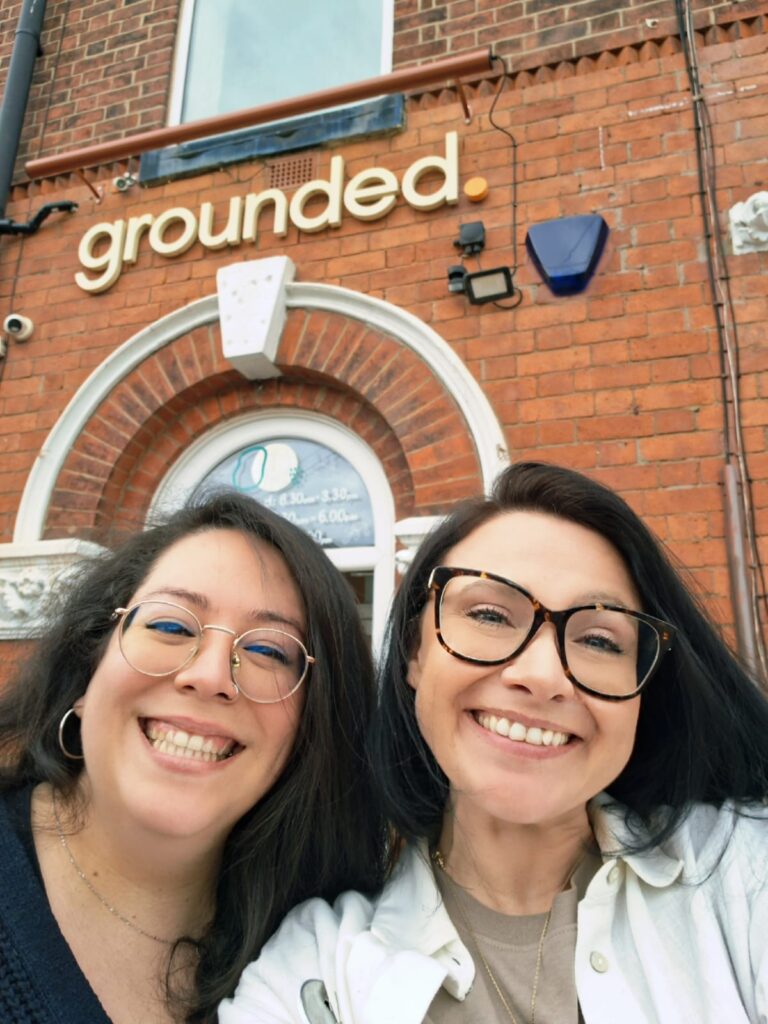
Not only is this a good time to take stock of how much the charity has achieved, especially as we marked our Two year anniversary on the 29th April, but I can’t help but feel personally reflective too:
- Six years ago, I didn’t know that I had PMDD.
- Five years ago, I thought I would be in the same job forever, even though I was unhappy.
- Four years ago, I was in a road traffic accident which left me on crutches for 18 months, temporarily affected my speech and cognitive abilities, was a major contributing factor to losing my business and my best friend who had become my unofficial carer, irreparably changing the dynamics of our friendship forever.
- Three years ago, I had multiple suicide attempts and/or crisis interventions due to PMDD.
- Two years ago, I found The PMDD Project.
*deep breath*
*Does grounding exercises*
Life is so different now. I wish I could hug every past version of me who had no idea what it felt like to truly belong.
*deep breath*
*Smells Smoky Oak incense cone burning in it’s holder on the mantelpiece*
*Sees the plants I haven’t killed in the home I have created for myself*
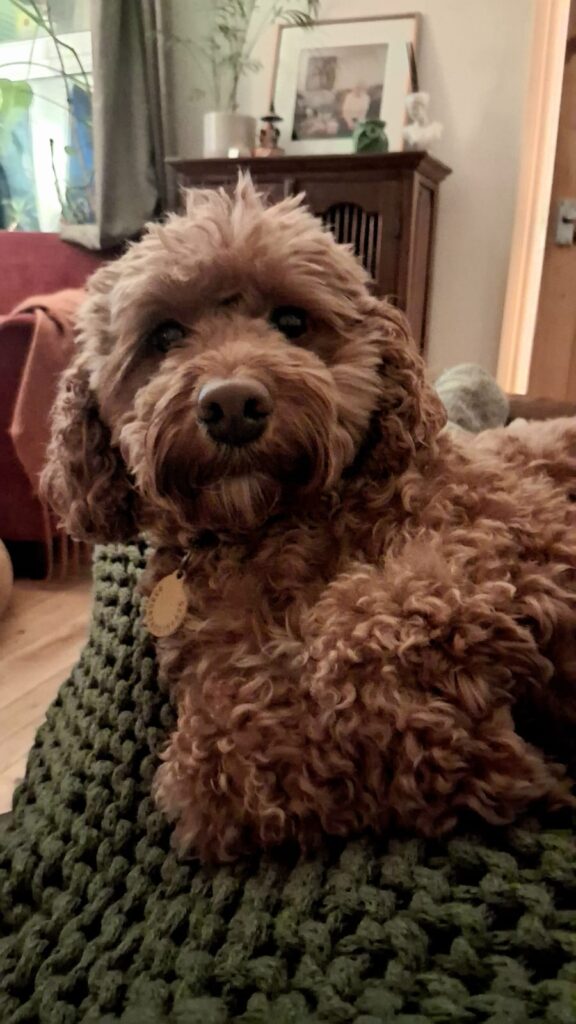
*Touches Mr. Darcy, my four-year-old cockapoo, who is snoozing on the sofa next to me.*
*Hears phone vibrating; another message from a Neurospicy Creatives group chat.*
I am home.
I have mentioned before that my journey with unmasking only really started after my ADHD diagnosis in last 2024. I wish I had known that I could actively apply the methodology of unmasking to PMDD and CPTSD before that, or that I had inadvertently already made a start.
One of the most transformative results of starting this journey to live each day more authentically and learning to communicate and enforce healthy boundaries has been to my social life. Whilst I have always identified with being an extroverted introvert and this served me well (especially on stage), I think it’s fair to say that the introvert has gained more ground. I put less pressure on myself to give in to FOMO when I need rest or to regulate. I do the things that now feed my soul; being in nature, reading, sewing, writing, working from home for The PMDD Project etc.
So, yes, I go out a lot less. I can’t remember the last time I went out dancing (which I love) and can’t drink alcohol whilst on ADHD medication, so the pub can seem a little pointless. But, more and more, I am finding that the connections I am making are far more meaningful, authentic and align with who I am/what I need now.
As much as I can be sad that I don’t get to enjoy some things that I still love quite as much (e.g. dancing, being able to hold a conversation in a loud environment, going to the theatre etc), I have rediscovered parts of myself that had long been forgotten. As a result, it often feels like the friendships I have formed over the last few years have been fated; kindred souls gravitating towards each other.
I still grieve for some friendships that have now ended or gone dormant, even if life is a little better as a result. That’s just life isn’t it? And, of course, on the darkest days with PMDD, I entertain thoughts of self-blame, self-hatred, paranoia, anger, extreme rejection. I contemplate reaching out to friends that I was once close to, even the ones who treated me badly, because in those moments I am so overwhelmed by grief, a need for familiarity and connection, for clarity of who I am. These moments, thankfully have become less and less.
It reminds me of the phrase:
“They are like a shipwrecked sailor clutching driftwood, grateful for anything that floats, even if it barely keeps them above water.”
Trauma Bonding and Over-identifying with the worst “bits”
I have been “guilty”, as many of us have, of over-identifying with one element of myself, I.e. a health condition, or traumatic experience such as being young carer, a survivor of S.V. or a CEP. It’s understandable that we do this, but as most of us eventually learn, can lead to a different kind of masking.
As well as working in Education and Theatre, I have worked for other organisations in the past which sought to improve the lives of people who had the same or similar marginalised background as myself. Though many beautiful and authentic connections and friendships were made through this work, with colleagues, peers and even individuals I had supported, many of these connections were based on something not-so-authentic.
I hadn’t realised until it was too late (and very painful) that when one element of your self/your experience is amplified and “over identified” with, it retraumatises you all over again. Trauma (including chronic illness like PMDD) can infiltrate every aspect of someone’s identity; as someone with CPTSD as well, I know this to be true. Friendships that form and have this trauma-bond as a foundation often seem like the most authentic, real and unmasked connections. But that’s rarely true.
After many years of therapy (EMDR and L.I. technique), I am now able to see that because trauma has such an impact on our memory, perspective and thus; sense of self. During L.I. sessions, I realised how positive, healthy and affirming memories had been over powered by negative ones; drained of colour, muted, made small. As a result, I had lost the ability to emotionally connect to them.
Both EMDR and L.I. helped me to reconnect to those memories and aspects of myself that were positive and just as true as the negative, if not more so. I realised that by allowing trauma and negative experiences from the past take over my identity and day-to-day life and go unchecked, I was doing myself a huge disservice. Though it’s an ongoing process and I try to be patient and compassionate with myself, understanding how trauma affects someone’s sense of self and view of the world has had an incredibly powerful impact on my life.
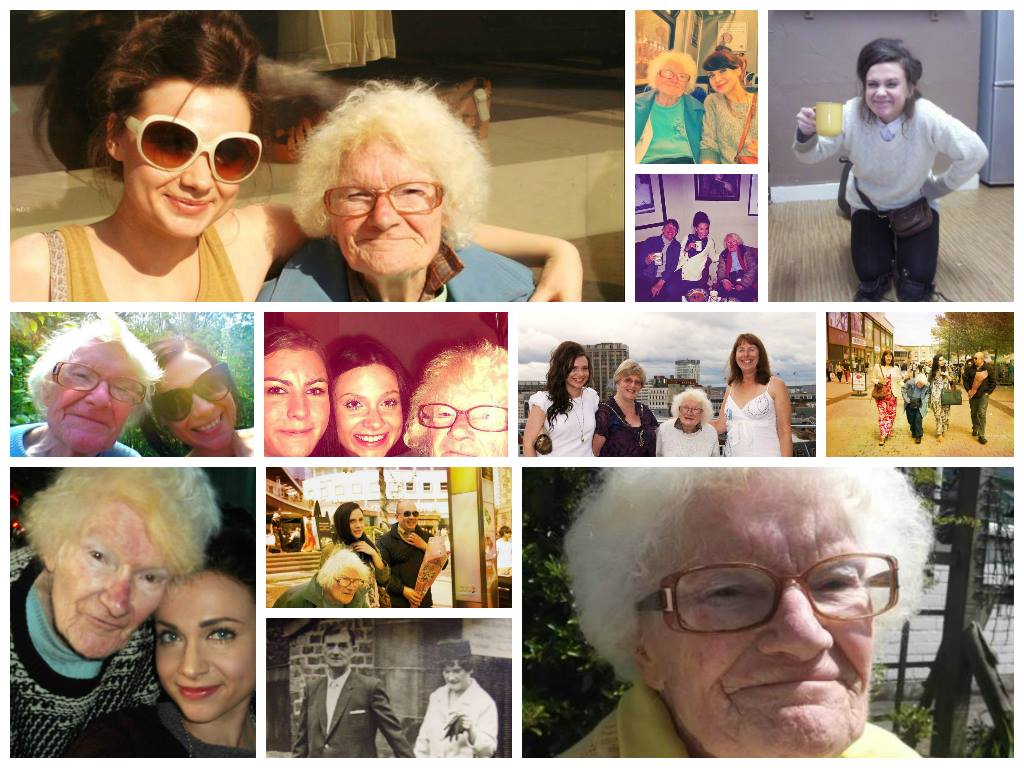
Memories of healthy, affirming, loving connections, like sitting with my Nan on a bench in her beautiful garden, regain colour, sound, smell, texture, emotion. Re-remembering the joy I have experienced through studying, academia, creativity, nature, reading, caring for animals… all of this is just as much “me” as anything negative. Again, possibly more so, because trauma is so often a result of something being done to us/something out of our control.
When you realise that some friendships have been born from connecting solely with the experiences that you had no control over, and not necessarily with your core beliefs, interests, beliefs etc. you can perpetuate the belief that the trauma is inextricably a part of who you are. You deserve a better standard of connection.
Friendship via The PMDD Project
After my first meeting with Phoebe (CEO of The PMDD Project), after discussing and confirming my becoming a Trustee for the charity, I couldn’t help but cry. The kind of tears that are simultaneously sad and joyful, grief-stricken and full of hope. Mostly… relief.
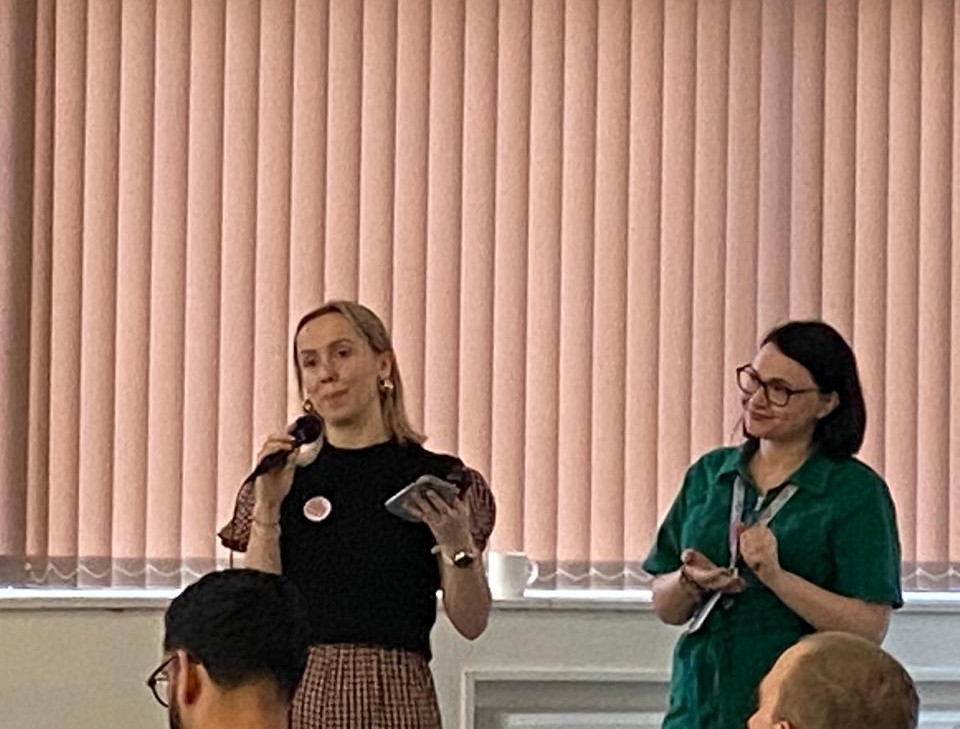
For the first time, I had spoken to someone who truly understood my experience with PMDD, even the affects I had previously hidden from others and even myself. I had allowed myself to be vulnerable and open, Phoebe in turn had done the same. And (much to my nervous systems surprise), the world hadn’t ended. I hadn’t been rejected or judged or dismissed or avoided or ignored or triggered into unhelpful masking for survival.
I had been truly seen. And not just for the reality of having PMDD and what that looks like for me, but also my skills, training, achievements, creativity, core beliefs, strengths and softness. It wasn’t like previous places of work where a health condition/disability or characteristic of being from a marginalised group in society ticked a box and all other aspects of my character and ability were inconsequential. Being truly seen as an entire person still gives me tingles.
I see it happening at every workshop I facilitate too. The relief of removing the mask and being accepted. Having your experiences, even the ones you have been most afraid to share, reflected back to you. As intense as these moments can be, by the end of every workshop, it never ceases to amaze and humble me to see the weight lifted, new connections made and (above all) a glimmer of hope on participants faces as they leave.
Boundaries: the bridge between unmasking and staying connected
Unmasking doesn’t mean telling everyone everything, all the time. It means you stop abandoning yourself to keep the peace. Boundaries are how you do that and preserve the relationships that deserve to last. For PMDD, boundaries are especially powerful when they’re set in your steadier days—so luteal-you isn’t forced to either explode or disappear.
Practical exercise: Write your “luteal boundaries” in plain language
Choose one relationship (partner, close friend, family member). Complete the sentences below, then pick one to communicate this week—before symptoms peak.
- Time/space: “When I’m in my luteal phase, I need more quiet time. If I don’t reply quickly, it’s not rejection—it’s regulation.”
- Conflict pause: “If a conversation gets heated, I’m going to take a 20–60 minute break. I will come back at ___.”
- Reassurance request: “If I’m spiralling, what helps is hearing: ‘I’m here, we’re okay, we can talk when you’re ready.’”
- Topic boundaries: “During luteal, I can’t process big relationship decisions. Can we park anything major until ___?”
- Social limits: “I’m saying no to last-minute plans in luteal. I can do planned, low-pressure hangs—or a voice note instead.”
- Household/mental load: “In luteal, I need help with ___ because my bandwidth drops. Can we share it like this: ___?”
Mini-template: a PMDD relationship agreement (copy/paste)
- My early warning signs: ____.
- What I’m likely to need more of: ____ (quiet, reassurance, practical help, fewer demands).
- What tends to make it worse: ____ (rapid-fire texts, teasing, “just calm down,” surprise plans).
- How we do time-outs: “We can pause for ___ and check back at ___.”
- How we repair after a rough moment: ____ (a walk, a debrief the next day, a short apology + plan).
- What support I’m asking for (specific): ____.
- What I’m committing to (specific): ____.
Finding your tribe: building belonging without betraying yourself
When you’ve spent years masking, “connection” can get tangled up with approval. Unmasking asks a different question: “Do I feel safe being real here?” Tribe is less about finding people who never trigger you, and more about finding people who respond to your truth with steadiness. The practical part is learning to pace closeness, choose environments that suit your nervous system, and let consistency—not intensity—be the proof.
Practical exercise: Green flags / red flags (for unmasked connection)
Green flags
- They believe you the first time (no debate about your reality).
- They respect a “no” without demanding a justification.
- They don’t punish you with silence or sarcasm for having needs.
- They can hear feedback without flipping it back onto your character.
- They keep confidences and avoid gossip-as-bonding.
- They’re consistent—care doesn’t vanish when you’re inconvenient.
Red flags (especially for PMDD weeks)
- They frame your boundaries as cruelty, drama, or rejection.
- They use your worst moments as evidence of who you “really are.”
- They demand instant access to you (immediate replies, constant availability).
- They escalate conflict and dislike pauses or repair.
- They minimise symptoms (“everyone gets PMS”) or insist you just need to try harder.
- They only like you when you’re useful, upbeat, or agreeable.
Removing the mask and finding our tribe
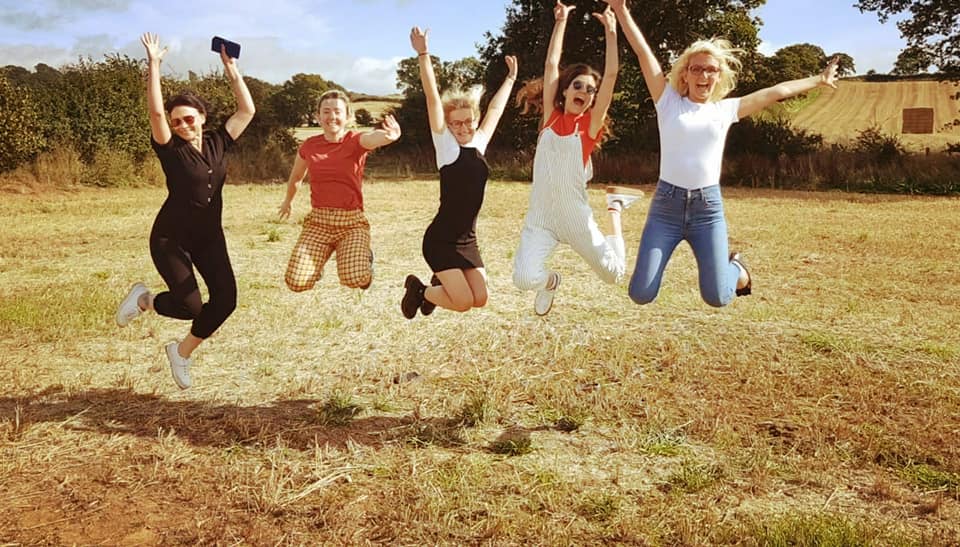
“Finding your tribe” can sound like a neat, shiny outcome: a group chat full of supportive people, a partner who always says the right thing, friends who never take your symptoms personally. Real life is messier. For me, tribe isn’t a popularity contest or a fixed circle—it’s a pattern: people and spaces where my nervous system can unclench. Where I don’t have to translate myself into something more palatable. Where boundaries are normal, repair is possible, and my luteal phase doesn’t turn me into a secret I have to hide.
- Tribe feels like consent. You can say yes, no, not today, and not that way—without punishment.
- Tribe makes room for your reality. Not constant caretaking, but steady belief: “I trust what you’re saying about your body.”
- Tribe can handle nuance. You can be accountable and unwell at the same time; you can apologise without self-erasing.
- Tribe has repair. Misunderstandings happen, and they get addressed—without stonewalling, scorekeeping, or character attacks.
- Tribe doesn’t require performance. You don’t have to be funny, helpful, easy, or “low maintenance” to deserve connection.
How Unmasked Friendships feel for me
I may get emotional here.
The friends I have made in the last few years, as I have navigated a new reality of a chronically ill, neurodivergent person have been life changing. Simply by “being”, they have healed wounds that I believed were un-healable. We are curious, empathetic, supportive and respectful of each other’s boundaries. We feel safe.
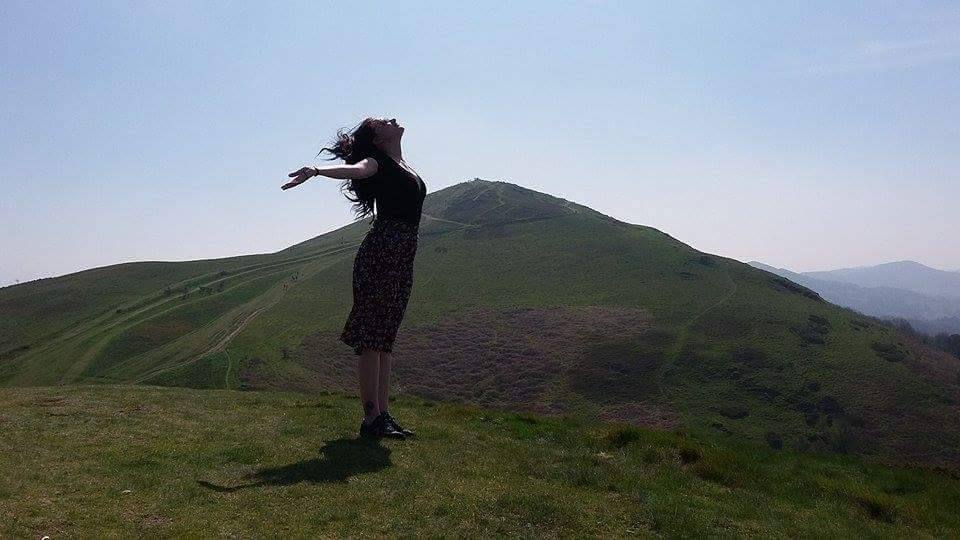
You are worthy of healthy friendships.
Until next time… I love you.
xxx
Not “That Kind” of Yoga: PMDD, Practice, and Being Met Where You Are
Welcome ceremony at one of Yogi Claire’s women’s retreats near the black mountains of Wales….
The PMDD Unmasking Diaries, Part 3: Friendships
Hi there! I’m Kim and I am the Community Outreach Manager for The PMDD Project…
Reality – A poem from a pmdd warrior
Guest Blog Contributor – Tracey Fayle When the luteal phase has started And the rational…
My Luteal Phase is Trying to Kill Me – Lived Experience
Guest Blog Contributor – Phoebe Vickers It is 2022 in a dark uni room in…
PMDD: My Monthly Reality
Guest blog contributor – Louise Scriven beginning the process of discovering, diagnosing, and accepting my monthly…
The PMDD Unmasking Diaries – Entry two
Unmasking PMDD : Finding hope through grief Hi there! I’m Kim and I am the…