
Unmasking : An Introduction
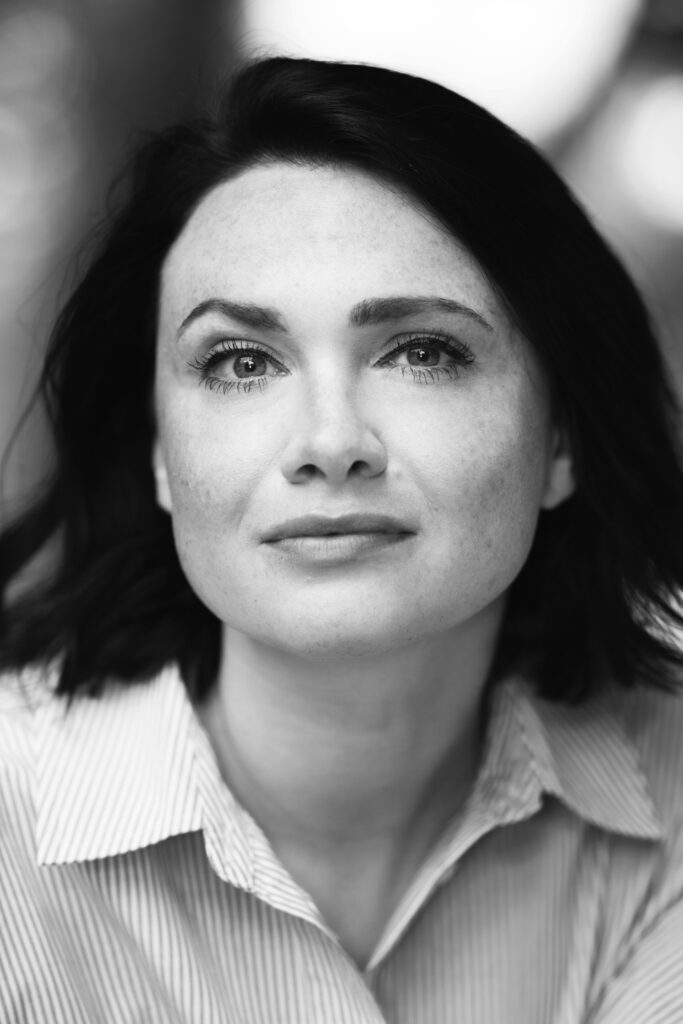
Hi there! I’m Kim and I am the Community Outreach Manager for The PMDD Project – the first UK charity to focus on PMDD. As well as supporting this incredible charity, a lot of my time is spent managing my various health conditions. As anybody with any chronic illness and/or neurodiversity will testify… being “different “is a full-time job! The admin, the hidden costs… DON’T. GET. ME. STARTED.
You can read about some of my experiences with PMDD HERE. Or watch me on This Morning HERE.
P.S. As I am consciously trying to unmask with regards to PMDD but also my (very recently diagnosed)
neurodivergence (ADHD), don’t be surprised if I include links to songs that invade
my brain when I inadvertently write a word or phrase that is in the lyrics. HA! Oh gawd
Me and my “health stuff”
As well as having PMDD (Premenstrual Dysphoric Disorder), I also have comorbid conditions including ADHD (Attention Deficit Hyperactive Disorder) and CPTSD (Complex Post Traumatic Stress Disorder).

*Invasive song number one. Excuse me whilst I go sing it to my long-suffering dog.*
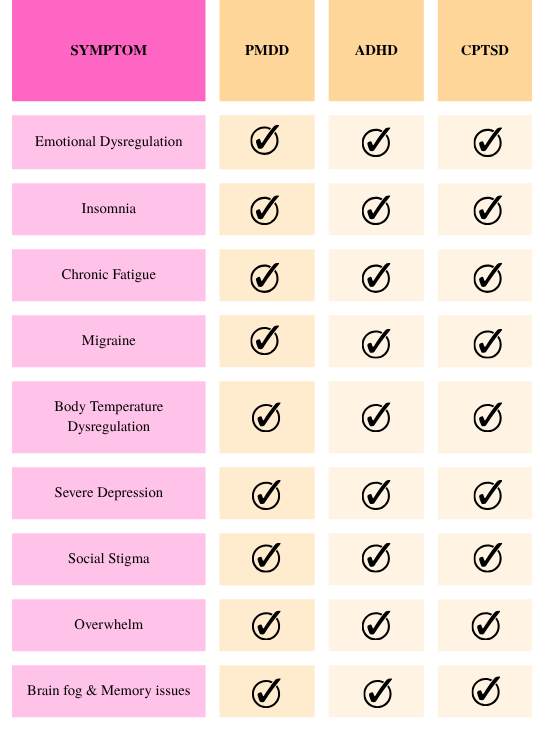
Until I started working with The PMDD Project, I had no idea how often these conditions occur at the same time or intensify one another. The statistics speak for themselves:
As well as the remarkable overlap of symptoms of all three conditions, there are other similarities. Important for us here is that socially and historically all three conditions:
● In women, they are often misdiagnosed for many years, commonly mistaken
for depression, anxiety, low self-esteem, severe PMS, bipolar disorder, or
schizophrenia.
● These conditions are often misunderstood or misrepresented by the media
and the general public. Social stigma surrounds all three, largely fuelled by
bias, fear, and misogyny.
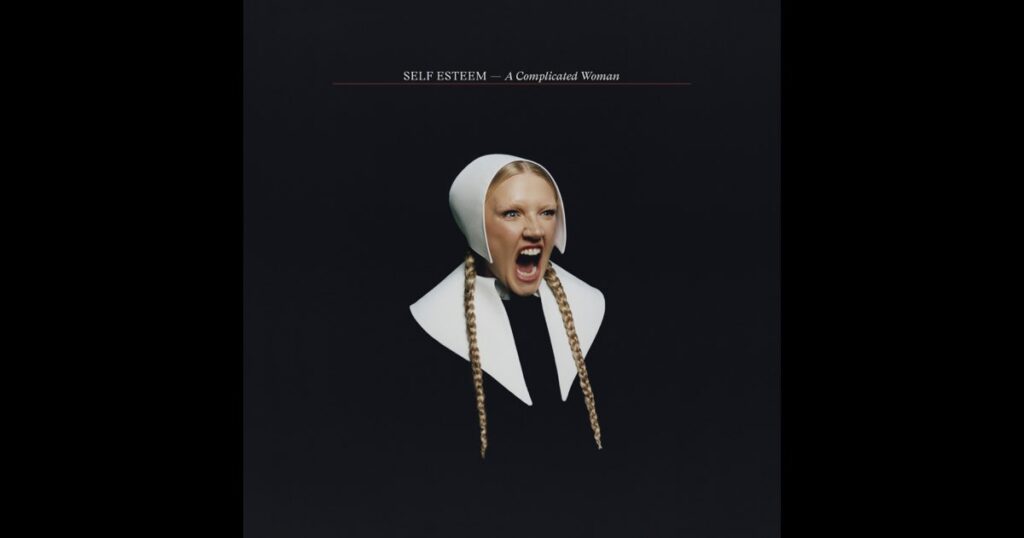
*Invasive song number 2: The above always reminds me of a lyric from a Self
Esteem song: ‘There is nothing that terrifies a man more than a woman who
seems completely deranged.’”
● As we get older statistics show that these conditions can intensify and
change. As a result, a lot of women experience more
intense and frequent symptoms in their thirties, which most likely contributes
to the current rise in the amount of diagnosis of adult ADHD in women in the
UK.
● All three conditions and the societal and generational issues surrounding
them all contribute to an individual feeling the need to mask, hide, or repress
entire parts of themselves in order to survive in the world we live in, which is
not designed with people with chronic illnesses, disabilities, or diversity in
mind.
Speaking as a 37-year-old woman with all three conditions, and someone who is still only at the beginning of her “unmasking” journey, I wanted to share the process with others. I know from experience how affirming and reassuring it can be to feel seen.
I’m not an expert or medically trained, but what I can offer is my own perspective,
along with the things that have helped, or are helping me, as I navigate the wild
challenge of honouring my own mind, body, soul, and lived experience.
My Intention
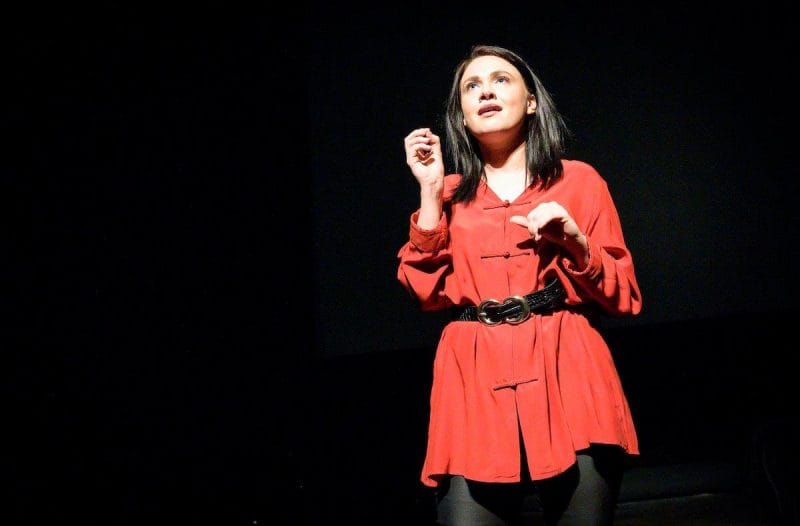
I first decided I needed to write about “unmasking” after recently appearing on This Morning on ITV. I’m not completely inexperienced when it comes to speaking in public or showing some vulnerability and sharing personal experiences; whether that be in a newspaper, speech at a fund-raising event or on the stage as an actress (in a
previous life). I’d already done this earlier in the year with Birmingham Mail and Sky news.
But something about this interview hit differently.
Maybe it was because it was prime TV. Maybe it was because I hadn’t slept very well the night before. Apart from being understandably a little nervous beforehand, I felt perfectly fine. In moments of anxiety, I would remind myself that in the grand scheme of things, this interview wasn’t even really about me.
The bigger picture was to finally get people talking about this debilitating condition that not even GPs were trained in diagnosing or treating. I would remind myself that I was grateful to have the opportunity to do something positive as a result of having this condition… As there are not many positives when it comes to having PMDD.
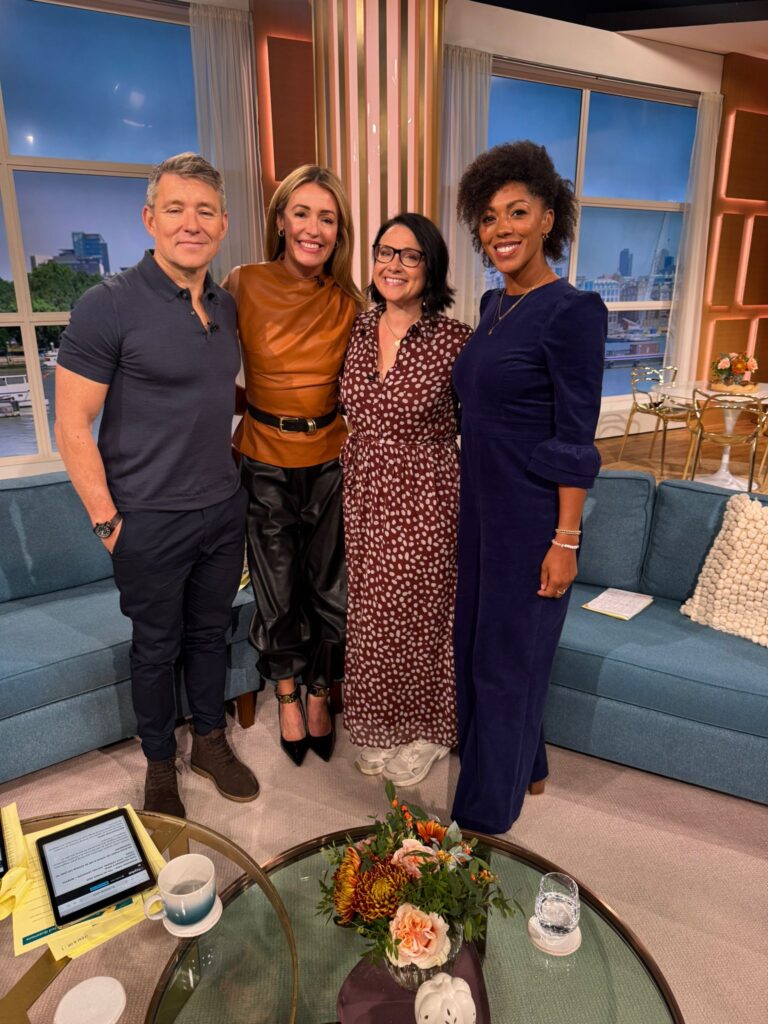
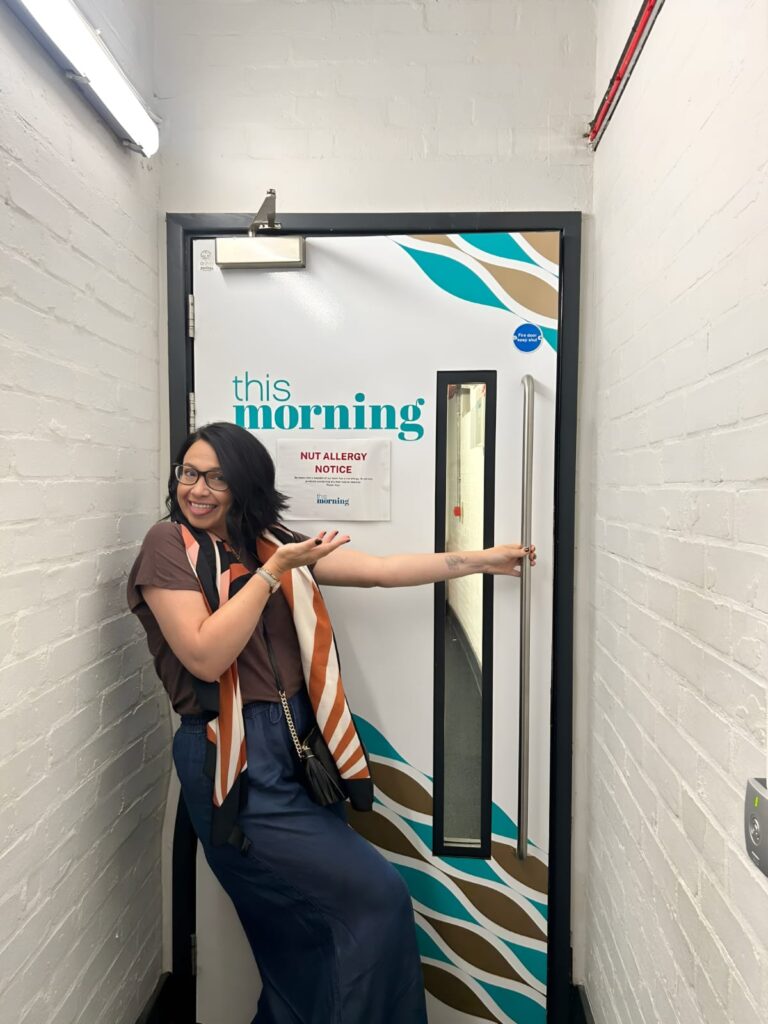
The interview went really well. Everyone was lovely, and the aftercare team was fantastic. Phoebe, the CEO of The PMDD Project, was there holding my hands behind the scenes. Had a hug with Cat Deeley and Ben Shephard (not bragging or anything). Time flew by on that sofa, and everyone seemed happy as I made my way back to Euston Station to catch my train to Birmingham (big up the Brummies!).
Within minutes of getting on the train and from then for the following nine days or so, my body and mind launched a full-scale attack. I had dared to be vulnerable on a public platform and the mask had (to some extent) been removed. I had somehow managed to override the plethora of self-constructed protective measures that I had
ingrained into my brain over a period of a lifetime… And my brain was pretty pissed off about that.
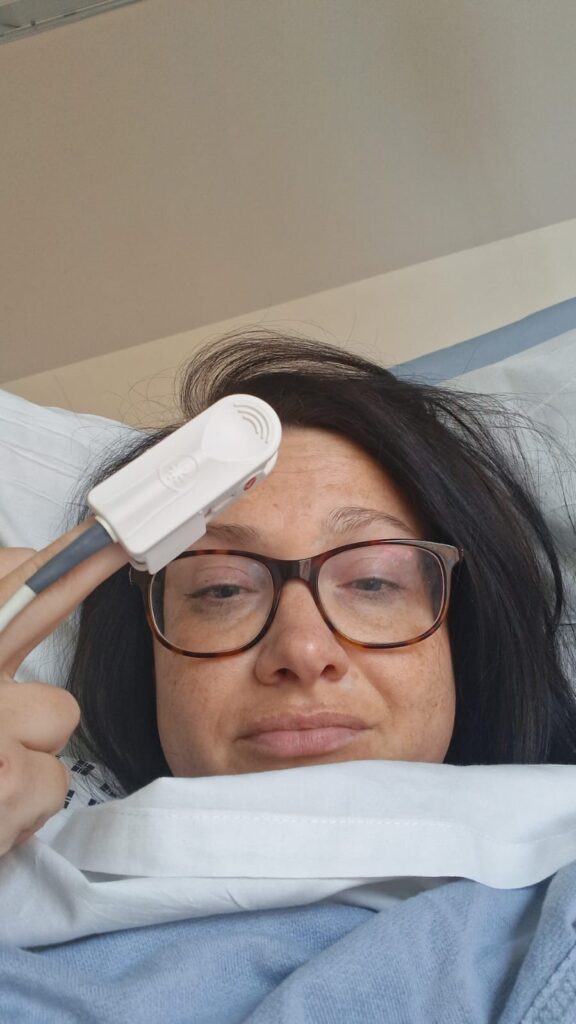
For nine days afterwards I dealt with intense fatigue, insomnia, migraines, loss of appetite, nausea, a constant tightness in my throat, and a persistent urge to cry without being able to. Worst of all was the barrage of spiteful, self‑destructive, and plain-old cruel bullying coming from me.. to me.
Everything from my appearance, how tired I looked, how my body has changed since my twenties, and fears that people would see me as attention‑seeking, lying, miserable, not fun, untrustworthy, or a failure. I even worried about how my new partner’s parents might view me after watching the interview. Who would want their son to be with someone they might see as ‘too needy’?
*Invasive song which actually makes me feel better about it.*
I spiralled.
Flashbacks of past trauma: being bullied or seemingly rejected in some way. The same routine with PMDD where that part of my brain searches through every available memory and situation that can be twisted into evidence to show that nothing will ever change, there is no hope, who do you think you are?
Suicidal ideations.
I couldn’t watch the interview nor countenance, far less process, the messages from loved ones saying how proud they were of me. Thankfully, after giving myself some time to hibernate and be small, to get in touch with my roots and rest, I was able to reach out for reassurance and support from my partner, friends and family. I can say
now that I am incredibly proud of being able to share just some of my experience on such a public platform and even if it is just in a small way, increasing awareness.
Reflecting on this, and with the help of weekly CBT (focusing on how to manage symptoms and behaviours related to PMDD, ADHD and complex PTSD), I want to share my journey with unmasking in an authentic and honest way. It’s a complex and by no means easy task to undo an intricate matrix of self-taught coping strategies
and techniques that were adopted in the first place to protect us from harm.
I can see now how unhelpful and destructive those coping mechanisms can be and I
no longer want to live like that, and I don’t want any of us to live like that.
respond to trauma. Knowledge is power.
It’s All a Bit Complicated…
Just thinking about the practicalities of explaining how my comorbid conditions affect me and
choosing the right words is overwhelming.
Having complex comorbid conditions, symptoms, and treatments is a huge ongoing challenge, both in general and especially when it comes to unmasking and candidly sharing how we are affected and what we need. Plus, there are usually more acronyms than an alphabet soup.
I was diagnosed with PMDD over four years ago (complex PTSD six years ago and ADHD just one year ago). One of the main challenges in discussing the practical, social, emotional, and physical aspects of PMDD is its inherent complexity.
Explaining everything clearly to someone with no personal experience of it takes considerable time, no matter how much they want to understand, or you want them to.
The truth is, I have noticed that there really isn’t a perfect way of ‘unmasking’. There is no exact script you can follow. There is never a ‘perfect time’. If you suffer with particularly acute and serious symptoms of PMDD, there is no way of telling someone you love that you have suicidal ideation (or worse) and being able to
control how much they worry, it kind of comes as part of the package of loving someone.
I am still struggling with the emerging truth that, though we are in charge of how authentic and true to ourselves we want to be, we ultimately have no control of how other people, and society in general, will react. Learning to find peace with that is…yeh. It’s a biggun.
(F@*!ing scary).
So, as I write this, I am reminding myself to be compassionate and forgiving of myself; knowing that I can only speak from my own experience and knowledge. I believe that reaching out for connection and recognition is more important than ever and so, with this in mind, let’s delve into it… acknowledging that nothing that needs to be perfect in order to be shared.
Stages of Unmasking
“I promise to myself…”
It is generally understood that there are many stages of unmasking much like there are many stages of any type of recovery or rehabilitation. I would argue that the first stage of unmasking is to make the conscious decision to try and to understand why we want to.
Here are a few of my personal reasons as examples:
- I would like to have better, more authentic friendships and relationships.
- I would like to get the support I need, in the way I need it.
- To inadvertently give others permission to unmask and to see me as a safe, accepting place/person.
- Justice: This is a very important one for me. Like many of us with a late ADHD, Autism, or AuDHD diagnosis, or indeed any chronic illness, I am still grappling with feelings of grief and injustice: the ‘what ifs,’ the failure of various adults, professionals, and carers to diagnose me earlier and provide support, the time lost to struggles, and the fear of not knowing the cause of those struggles. The persistent feeling of being different without understanding why. Part of my promise to myself was to rebel against the society that had let me (and many of us) down by being honest.
- I want to understand myself better and know how to help myself.
- I want to accept myself and have more compassion.
Self-Reflection: Unmask to Yourself First and Foremost
I’ve put this as the second step, but realistically, self- reflection is an ongoing commitment. This is because PMDD and other chronic illnesses fluctuate (sometimes monthly, sometimes daily, sometimes hourly), so our needs, behaviour and methods of masking will naturally change. Additionally, for me at least, dissociation, hyper focussing and people pleasing (as much as I wish I could wave a magic wand and friggin’ stop already) still get the better of me sometimes.
I want to give myself permission and a bit of grace when that happens, we all have not-so-great days when it comes to listening to ourselves and boundaries. I guess if you need permission too, you have it!
CBT has and is helping a lot with this side of things, self-reflection in an almost practical way rather than rumination. Here are a few CBT inspired exercises that have helped me which you can try yourself:
Exercise 1: Stop Gaslighting Yourself
- Write a list/create a table of the different ways your condition affects you. Include symptoms pertaining to Mental health, mood, Physical, cognitive, social etc.
- Next, write down the range of severity and frequency of each symptom. Be completely honest with yourself.
- Next, think about what can sometimes make this symptom or behaviour worse. E.g. stage in your cycle, loud noises, diet, lack of sleep etc.
- Finally, think about what does/potentially could help with these symptoms. E.g. Quiet time to yourself, Company (quiet or distracting, physical reassurance or just body doubling), comfort food, hot water bottle, crisis plan).
- Add to this whenever you notice a change.
Exercise 2: Becoming Conscious of Our Mask
- Using the symptom list above as a starting point, think about and note the different
ways you try to hide how you feel, what you need and why. - To what extent is each strategy healthy, compassionate, honest and honouring
you. - To what extent are they harming you or others?
Exercise 3: Our Fears
Tip: Maybe do this with someone you trust or a mental health practitioner.
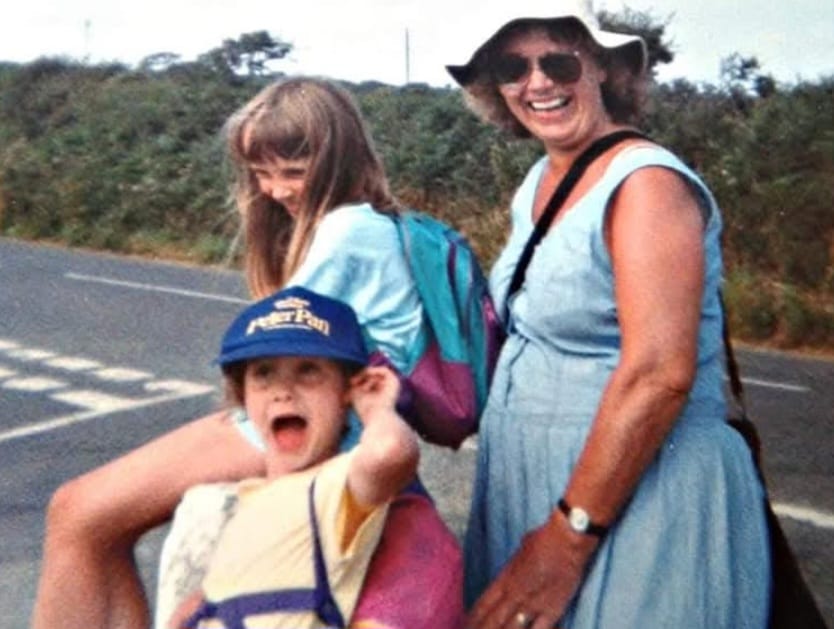
- Dig deep. Confront those fears and ideology around shame. When we say them out
loud/write them down, it can take away their power and sometimes give us an
opportunity to “let it out.” - Think about someone you love and/or feel incredibly protective of. For me, it’s
usually my young niece or even a younger version of myself. - Maybe close your eyes and think about them. Whilst feeling those feelings of love
and protection, reply to each fear or shame-inducing thought. How would you
comfort or explain things to the person you love?
Exercise 4. Visualise
Think and list the different ways it would look and feel for you to be living in the most authentic, unmasked version of yourself. Include as much detail as possible so that you can visualise it.
I think that that is enough to start with for now, right?
I will be back roughly every two weeks with a new entry for The Unmasking Diaries, exploring topics such as:
- How to stay present and compassionately aware of our masking behaviours everyday.
- PIP Assessments and masking
- How to address people-pleasing and ‘firefighting’ as forms of masking.
- Unmasking with people we have complex relationships with.
- Recommended reading, watching, and signposting
- Finding a new balance between masking and being able to show vulnerability when we need to.
- Having our needs met, both by others and ourselves.
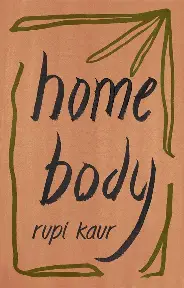
For now, I am signing off and wanted to share something that really resonated with
me this week:
Today I saw myself for the first time
When I dusted off
The mirror of my mind
And the woman looking back
Took my breath away
Who was this beautiful beastling
The extra-celestial earthling
I touched my face and my reflection
Touched the woman of my dreams
All her gorgeous smirking back at me
My knees surrendered to the earth
As I wept and sighed at how
I’d gone my whole life
Being myself
But not seeing myself
Spent decades living inside my body
Never left it once
Yet managed to miss all it’s miracles
Isn’t it funny how you can
Occupy a space without
Being in touch with it
How it took so long for me
To open the eyes of my eyes
Embrace the heart of my heart
Kiss the soles of my swollen feet
And hear them whisper
Thank you
Thank you
Thank you
For noticing.
Untitled from Home body by Rupi Kaur.
xxx


Hi Kim, I love this thoughtful and detailed post, it’s really helpful and affirming to read. Can’t wait to read any more you may do 🙂